Why Are More Australian Families Choosing Cow Ghee?
Learn what makes Bilona cow ghee different, how traditional ghee is made, and what Australian families should look for when choosing quality cow ghee.
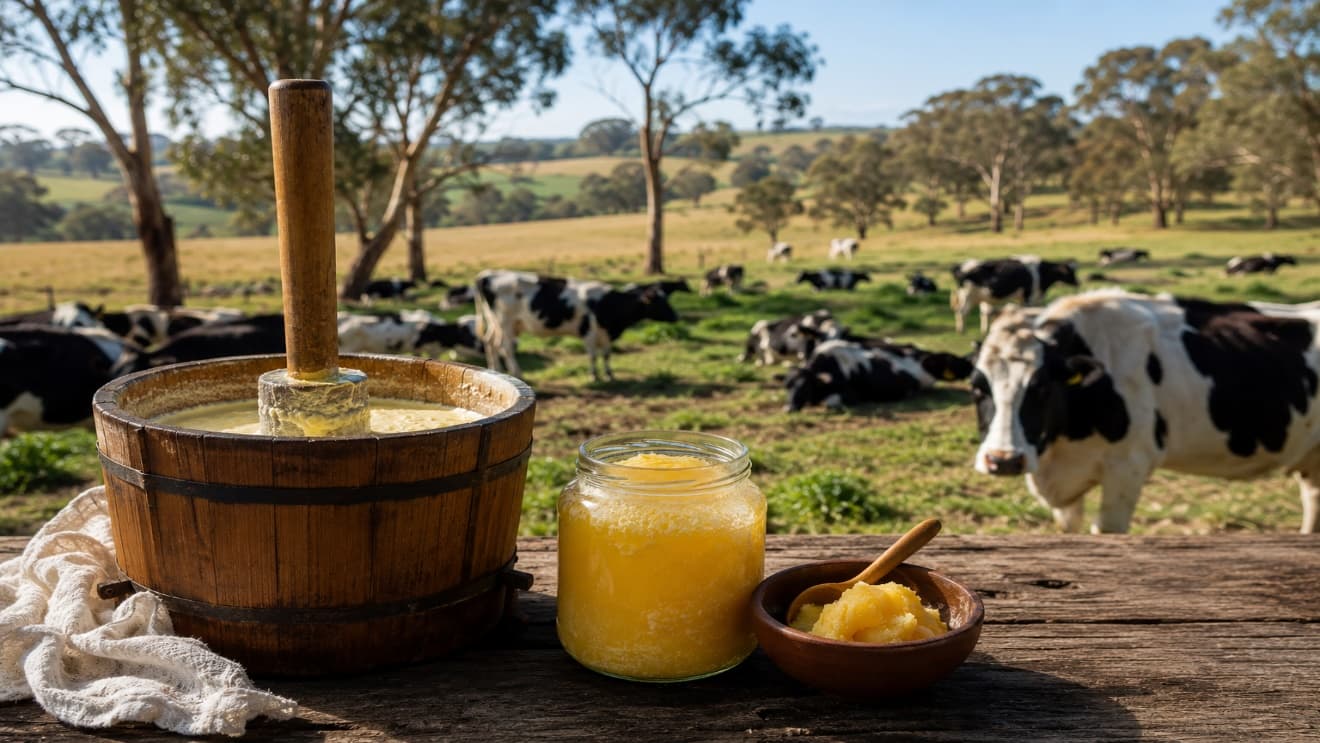
From a spoonful over steaming rice to the finishing touch on a comforting bowl of dal, ghee has been a cherished kitchen staple for generations.
While traditionally associated with Indian households, cow ghee is now becoming increasingly popular across Australia. Home cooks, food enthusiasts, and families looking for authentic ingredients are discovering the rich flavour and versatility that quality ghee brings to everyday cooking.
But with so many options available, it's natural to wonder:
What makes traditional cow ghee different, and how do you choose the best cow ghee in Australia?
However, not all ghee is the same. The quality of milk, the preparation process, and the care taken during production can significantly influence the final product. One traditional method that continues to be respected is the Bilona method, a time-honoured process that focuses on craftsmanship rather than speed.
In this guide, we'll explore everything you need to know about cow ghee, including how it's made, the traditional Bilona method, how it compares to butter and buffalo ghee, and what to look for when purchasing quality ghee for your family.
What Is Cow Ghee?
Cow ghee is a type of clarified butter made by slowly heating butter until the water content evaporates and the milk solids separate from the pure butterfat.
The result is a golden, aromatic ingredient known for its rich flavour and versatility in cooking.
Unlike regular butter, ghee contains very little moisture. This gives it a distinctive taste and makes it suitable for a wide range of cooking applications.
For centuries, cow ghee has played an important role in traditional cooking. Today it remains a pantry staple for people who value flavour, authenticity, and traditional food preparation methods.
Why Is Cow Ghee Becoming Popular in Australia?
Australia's food culture is more diverse than ever before.
As consumers become increasingly interested in authentic ingredients and traditional cooking methods, cow ghee has found a place in many modern kitchens.
Australian families are choosing cow ghee because it offers:
- Rich flavour and aroma
- Versatility in cooking
- Traditional heritage
- Suitability for high-temperature cooking
- Long shelf stability when stored correctly
Whether used in curries, rice dishes, roasted vegetables, or baking, cow ghee has become a valuable pantry ingredient for many households.
The History of Ghee: From Traditional Kitchens to Modern Homes
Long before modern food production, families prepared ghee at home using fresh milk collected from local farms.
Cream was carefully collected, churned into butter, and slowly heated until pure golden ghee remained.
The process required patience and skill, often becoming a tradition passed down through generations.
Today, while production methods have evolved, traditional ghee-making techniques continue to be respected for the flavour and authenticity they produce.
What Is the Traditional Bilona Method?
One of the most traditional methods of making ghee is known as the Bilona method.
Unlike many commercial processes that begin with cream, the Bilona method starts with fresh milk.
The milk is cultured into curd before being churned to separate butter. That butter is then slowly heated to produce ghee.
The process typically involves:
- Fresh milk collection
- Culturing milk into curd
- Churning curd into butter
- Slow simmering of butter
- Natural evaporation of moisture
- Separation of milk solids
- Filtering and storage of pure ghee
Many people appreciate Bilona-style ghee because it reflects traditional dairy craftsmanship and heritage preparation methods.
Traditional Bilona Ghee vs Commercial Ghee
| Feature | Traditional Bilona Ghee | Commercial Ghee |
|---|---|---|
| Starting Ingredient | Curd and Butter | Cream or Butter |
| Preparation Style | Traditional | Large Scale |
| Processing Time | Longer | Faster |
| Heritage Value | High | Moderate |
| Flavour Development | Rich and Complex | Varies |
Traditional methods are often valued because they prioritise craftsmanship rather than production speed.
Cow Ghee vs Butter: What's the Difference?
Although both originate from milk, butter and ghee have several important differences.
| Feature | Cow Ghee | Butter |
|---|---|---|
| Water Content | Very Low | Higher |
| Smoke Point | High | Lower |
| Shelf Life | Longer | Less (as compare to Cow ghee) |
| Flavour | Rich and Nutty | Creamy |
| Cooking Uses | Frying, Roasting, Tempering | Baking, Spreads |
Because moisture is removed during production, ghee offers a concentrated flavour that many home cooks enjoy.
This comparison is normal daily use based not scientifically taken.
Cow Ghee vs Buffalo Ghee: Which One Should You Choose?
Both cow ghee and buffalo ghee are popular, but they offer different characteristics.
Cow Ghee
- Golden yellow appearance
- Rich aroma
- Smooth flavour profile
- Popular for everyday cooking
Buffalo Ghee
- Lighter colour
- Richer texture
- Stronger dairy notes
- Often used in specific traditional recipes
If you're interested in a more detailed comparison, read our complete guide on Cow Ghee vs Buffalo Ghee: Which Is Better for Australian Families?
What Does Good Cow Ghee Actually Taste Like?
One of the easiest ways to recognise quality ghee is through its aroma and flavour.
Good cow ghee should have:
- A rich buttery aroma
- Light nutty notes
- A smooth mouthfeel
- A clean finish
Whether added to rice, spread on warm rotis, or used in cooking, quality ghee should enhance the dish without overpowering it.
How Can You Identify Quality Cow Ghee?
When shopping for cow ghee in Australia, look for the following indicators.
Aroma
Quality ghee should have a pleasant, buttery fragrance.
Colour
Natural cow ghee typically ranges from golden yellow to deeper golden shades.
Texture
Depending on room temperature, ghee may be smooth, semi-solid, or slightly grainy.
Ingredients
Look for products that focus on quality ingredients and traditional preparation.
Transparency
Choose brands that openly communicate their sourcing and production methods.
How Can You Use Cow Ghee in Everyday Cooking?
Cow ghee is incredibly versatile and can be used across a variety of dishes.
Popular uses include:
- Dal and curries
- Rice dishes
- Rotis and parathas
- Roasted vegetables
- Stir-fries
- Homemade sweets
- Baking
- Grilling
Its versatility makes it suitable for both traditional and modern recipes.
Does Cow Ghee Need Refrigeration in Australia?
One of the most common questions people ask is whether ghee needs refrigeration.
In most cases, quality cow ghee can be stored in a cool, dry pantry.
To maintain freshness:
- Keep the lid tightly sealed
- Use a clean, dry spoon
- Avoid introducing moisture
- Store away from direct sunlight
Proper storage helps preserve flavour and quality.
Common Myths About Cow Ghee
Myth 1: All Ghee Tastes the Same
Not all ghee is created equal. The flavour and aroma of cow ghee can vary depending on the quality of milk used and the production method. Traditional Bilona ghee is often appreciated for its rich aroma and authentic flavour, while other varieties may have a different taste profile. This is why choosing a trusted brand is important.
Myth 2: Ghee Is Only Used in Indian Cooking
Although cow ghee has a long history in Indian cuisine, it is a versatile ingredient used in many kitchens today. Australian families use ghee for roasting vegetables, preparing rice dishes, baking, grilling, and adding flavour to everyday meals. Its versatility makes it suitable for both traditional and modern recipes.
Myth 3: Darker Colour Means Better Quality
Colour alone is not a reliable indicator of quality. The shade of cow ghee can vary naturally based on factors such as milk quality, seasonal conditions, and production methods. Instead of judging by colour alone, consider the aroma, flavour, texture, and reputation of the brand.
Myth 4: Ghee Must Always Be Refrigerated
Quality cow ghee can generally be stored in a cool, dry pantry when handled correctly. Keeping the container sealed and using a clean, dry spoon helps maintain freshness. Refrigeration is usually optional rather than essential.
Myth 5: Bilona Ghee and Regular Ghee Are the Same
While both are forms of ghee, the preparation methods can be different. Traditional Bilona ghee is made by culturing milk into curd before churning it into butter and slowly cooking it into ghee. Many consumers value this method because of its connection to traditional dairy craftsmanship.
What Should You Look for When Buying Cow Ghee in Australia?
Before purchasing cow ghee, consider:
- Product quality
- Traditional preparation methods
- Brand transparency
- Ingredient quality
- Aroma and flavour
- Reputation of the manufacturer
These factors can help you choose a product that meets your expectations.
Why Choose Kisaan Cow Ghee?
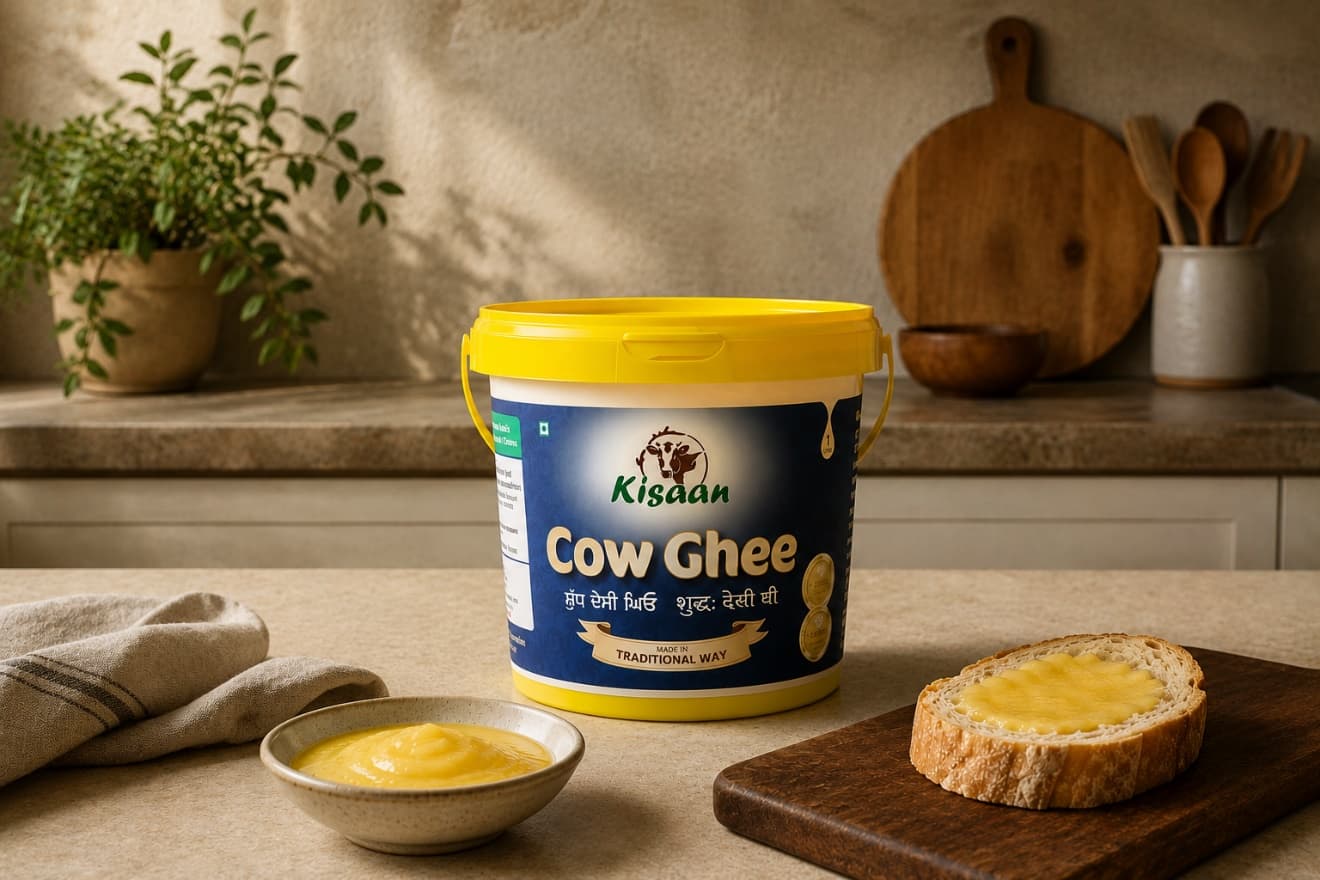
At Kisaan, we believe great ghee starts with quality milk, traditional craftsmanship, and a commitment to authenticity.
Our Cow Ghee is made using the traditional Bilona method, where milk is first cultured into curd before being churned into butter and slowly simmered to create ghee. This time-honoured process helps develop the rich aroma, golden colour, and distinctive flavour that ghee lovers appreciate.
We understand that today's Australian families are looking for more than just an ingredient. They want products they can trust, made with care and inspired by traditional dairy values.
Whether you're preparing a comforting family meal, making traditional sweets, or simply adding flavour to everyday cooking, Kisaan Cow Ghee brings together heritage, quality, and authentic taste in every jar.
For families seeking traditional Bilona Cow Ghee in Australia, Kisaan is proud to offer a product that celebrates both craftsmanship and flavour.
Final Thoughts
Traditional cow ghee continues to be appreciated for its rich flavour, versatility, and connection to time-honoured dairy traditions.
As more Australians discover authentic ingredients and traditional cooking methods, quality cow ghee is becoming a valued pantry staple in homes across the country.
By understanding how ghee is made and what quality indicators to look for, you'll be better equipped to choose a product that delivers both flavour and authenticity.
Frequently Asked Questions
What is cow ghee?
Cow ghee is a type of clarified butter made by slowly heating butter until the water content evaporates and the milk solids separate. The result is a rich, golden ingredient known for its distinctive aroma, flavour, and versatility in cooking. It has been used in traditional kitchens for generations and is now becoming increasingly popular in Australia.
What is the Bilona method?
The Bilona method is a traditional way of making ghee that starts with fresh milk rather than cream. The milk is first cultured into curd, which is then churned to obtain butter. The butter is slowly heated to produce ghee. Many people value the Bilona method because of its connection to traditional dairy craftsmanship and heritage food preparation.
Is cow ghee the same as clarified butter?
Cow ghee and clarified butter are similar, but they are not always identical. Traditional ghee is generally cooked for longer, allowing it to develop a richer aroma and deeper flavour. This additional cooking process is what gives quality ghee its characteristic taste and golden colour.
What is the difference between cow ghee and buffalo ghee?
Cow ghee is typically known for its golden colour, rich aroma, and balanced flavour profile. Buffalo ghee often has a richer texture and a stronger dairy flavour. The choice between the two usually depends on personal preference and the types of dishes you enjoy preparing.
Can cow ghee be used every day?
Yes, cow ghee is a versatile ingredient that can be used in a wide range of recipes. Many households use it for curries, rice dishes, roasting vegetables, baking, grilling, and traditional family recipes. Its versatility makes it a convenient ingredient for everyday cooking.
Does cow ghee need refrigeration?
In most cases, quality cow ghee can be stored in a cool, dry pantry. Keeping the lid tightly sealed and using a clean, dry spoon helps maintain freshness and flavour. Refrigeration is generally optional unless you prefer it or live in particularly warm conditions.
Why does some ghee become grainy?
A slightly grainy texture is completely natural and is often considered a sign of traditionally prepared ghee. Texture can vary depending on factors such as temperature, cooling conditions, and production methods. It does not usually affect the quality or flavour of the product.
Where can I buy quality cow ghee in Australia?
When buying cow ghee, look for trusted brands that focus on quality ingredients, transparent production methods, and traditional dairy values. Choosing a reputable producer helps ensure you receive a product that delivers authentic flavour and consistent quality.